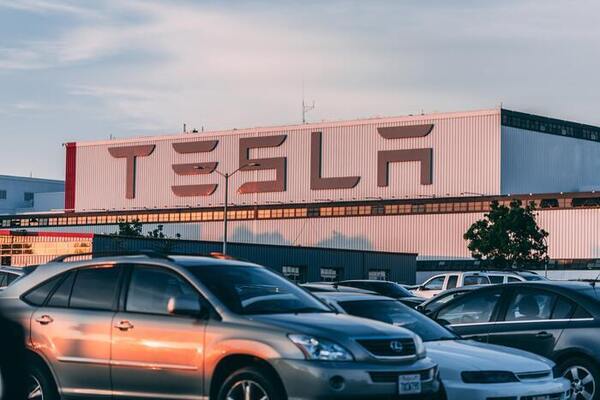
Tesla has been making strides toward autonomous driving. However, Tesla has never claimed that its Autopilot (as it is now) is a replacement for human driving. In all statements and on every page of the Tesla website, the company has marketed Autopilot as an advanced driver assistance system that includes two features: traffic-aware cruise control and autosteer. More simply, Autopilot can match the speed of surrounding traffic and stay within clearly marked lanes. Additionally, Tesla owners can purchase what Tesla calls ‘full self-driving capability,’ which includes a greater suite of features. Among these are auto lane changes, auto park, summon, and traffic and stop sign control. As mentioned before, Tesla includes the caveat with each feature that they require the driver to remain fully active and aware during usage of Autopilot and that the vehicle is, in fact, not autonomous.
Critical to understanding incidents involving Teslas on Autopilot is who is to be held responsible. Is Tesla falsely marketing its product to consumers? Is Autopilot a flawed system that must be recalled? Are inattentive drivers the main culprits? Regardless, there are many different facets to crashes involving Teslas, and there doesn’t appear to be one perpetrator to point fingers at.